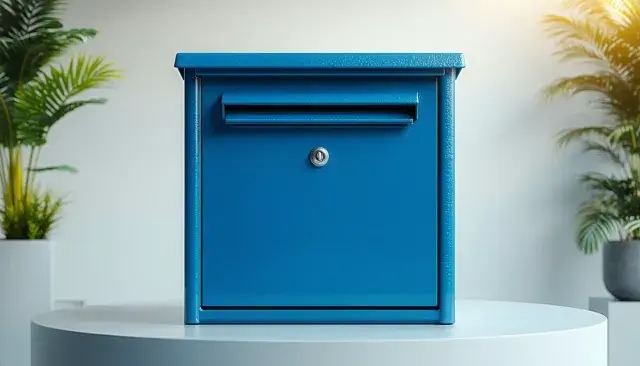
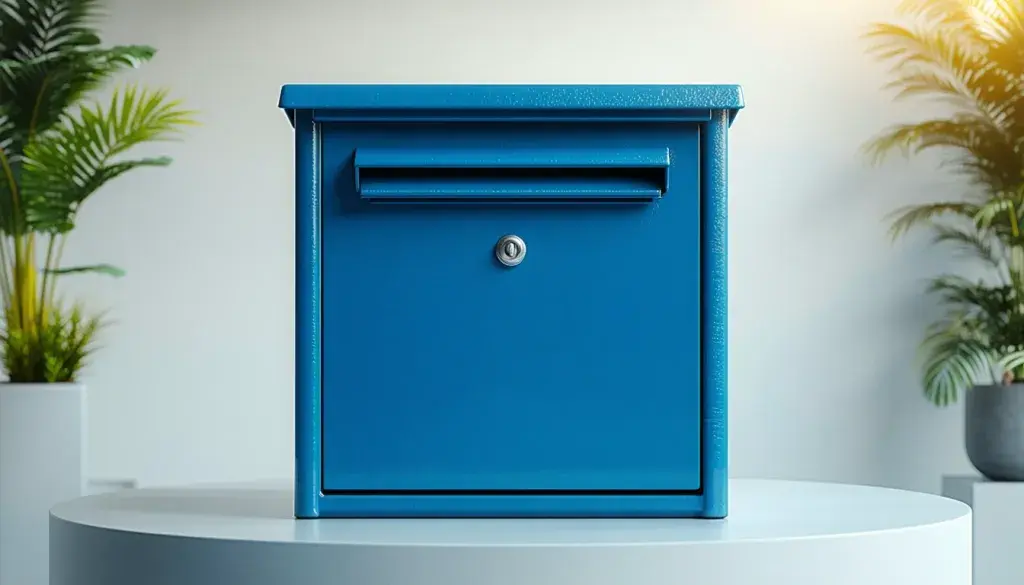
Corporations receive payments through mail that demand swift handling to unlock working capital. Delays in processing these checks create float costs that erode profitability, sometimes amounting to substantial sums for large receivers. Lockbox processing addresses this directly by outsourcing the receipt, deposit, and data capture to a specialized banking service. What is lockbox processing? At its core, it routes customer payments to a designated post office box controlled by a lockbox bank, where staff open envelopes, deposit funds, and transmit remittance details electronically.
This system, a staple in lockbox in banking, transforms accounts receivable management. Instead of internal mailrooms sorting thousands of envelopes daily, businesses gain near-real-time visibility into cash inflows. The lockbox process accelerates availability of funds, minimizes errors from manual entry, and frees finance teams for strategic tasks. Readers exploring lockbox services will discover operational details, types, benefits, and implementation steps. This overview equips finance professionals and treasurers to evaluate whether a payment lockbox fits their operations, potentially shortening collection cycles and boosting liquidity.
Lockbox deposit times shrink dramatically compared to in-house methods, often clearing funds within hours of receipt. Banks handle volume spikes without added headcount, ensuring consistency. For firms with dispersed locations, centralized lockbox accounts receivable processing unifies data flows. The following sections break down mechanics, advantages, and practical considerations.
Understanding Lockbox Processing in Banking
What Is Lockbox Processing?
Lockbox processing centralizes payment receipt at a bank-operated post office box. Customers mail checks and remittances there instead of the company's address. Bank personnel scan documents, deposit checks, and forward data to the client. This setup, known as a payment lockbox, streamlines inflows for businesses with high check volumes.
The Role of a Lockbox Bank
A lockbox bank manages the entire intake operation. It leases the box, employs staff for opening mail, and coordinates with the U.S. Postal Service for direct delivery. The bank posts deposits to the client's account and reconciles details against open invoices. Expertise in imaging and truncation ensures compliance with clearing rules.
Lockbox vs. Traditional Accounts Receivable Processing
Traditional methods route mail to company offices for manual sorting and data entry. Errors occur frequently, and deposits lag. Lockbox in banking eliminates these steps, providing electronic files for immediate AR posting. Companies shift from operational burden to oversight.
How the Lockbox Process Works
Receipt of Payments
Customers send payments to the assigned P.O. box. Postal service delivers multiple times daily to the lockbox bank facility. Staff log arrivals to track volumes and exceptions.
Check Deposit and Data Capture
Teams open envelopes, verify contents, and scan checks for electronic deposit. Funds enter the client's account same-day via ACH or image-based clearing. Lockbox deposit speed depends on mail arrival but consistently outpaces internal handling.
Remittance Information Handling
Stubs or invoices accompany checks. Optical character recognition extracts invoice numbers, amounts, and payer details. Files transmit via secure FTP or API to client systems.
Posting to Accounts Receivable
Clients import data into ERP or AR software. Matches apply payments automatically; exceptions route for review. The lockbox process closes the loop efficiently.
Types of Payment Lockbox Services
Wholesale Lockbox
Suited for few high-volume payers, like utilities or mortgage firms. Banks handle large envelopes with bulk payments, focusing on truncation and data files. Lower per-item costs prevail.
- Ideal for B2B with consolidated remittances
- Emphasizes electronic presentment
- Minimizes physical handling
Retail Lockbox
Designed for many small payments, such as consumer billers. Processes individual envelopes with detailed stubs. Higher volume drives economies.
- Handles diverse formats
- Supports coupons and QR codes
- Offers detailed exception reporting
Hybrid Models
Combines elements for mixed payer bases. Banks customize workflows, blending wholesale efficiency with retail flexibility. Lockbox accounts receivable integration adapts to client needs.
Benefits for Accounts Receivable Management
Accelerated Cash Flow from Lockbox Deposits
Funds become available sooner, reducing days sales outstanding. Businesses invest earlier or cover obligations promptly. Float reduction compounds over high volumes.
Cost Savings
Outsourcing avoids mailroom staffing and equipment. Per-item fees undercut internal processing rates at scale. Staff reallocate to analysis.
Error Reduction and Compliance
Automated capture cuts keying mistakes. Banks adhere to NACHA and Fed standards, shielding clients from penalties. Audit trails support reconciliations.
Implementing Lockbox Services
Selecting a Lockbox Bank
Evaluate bank locations near payer concentrations for faster mail. Review service levels, technology, and references. Negotiate fees based on volume tiers.
Integration and Setup
Map data formats to client systems. Test files ensure accurate posting. Update customer billing inserts with new box addresses. Rollout phases minimize disruption.
Ongoing Management
Monitor reports for trends and exceptions. Quarterly reviews adjust service levels. Banks provide analytics on collection patterns.
Frequently Asked Questions
What distinguishes wholesale from retail lockbox?
Wholesale handles few large-volume payers with minimal detail work, while retail processes many small payments with invoice matching. Choose based on payer profile to optimize costs and speed.
How quickly do lockbox deposits clear?
Checks deposit same-day as receipt, with funds available next business day under standard rules. Electronic images speed federal clearing further.
Can lockbox handle electronic payments?
Core services focus on checks, but many banks bundle ACH and wire processing. Inquire about consolidated platforms during selection.
What are typical lockbox fees?
Structure includes setup, monthly minimums, and per-item charges from $0.20 to $1.50. Volume discounts apply; compare total costs against internal expenses.
Does lockbox work for international payments?
Domestic focus prevails, but global banks offer extensions for foreign drafts. Coordinate currency and routing separately.
How secure is the lockbox process?
Banks employ bonded staff, encryption for data, and dual controls on deposits. SOC audits verify safeguards annually.