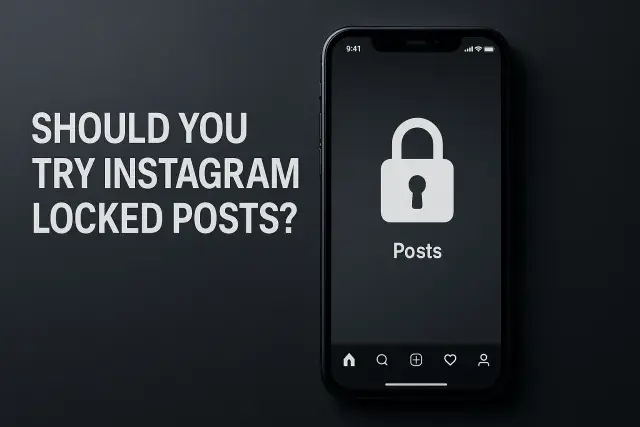
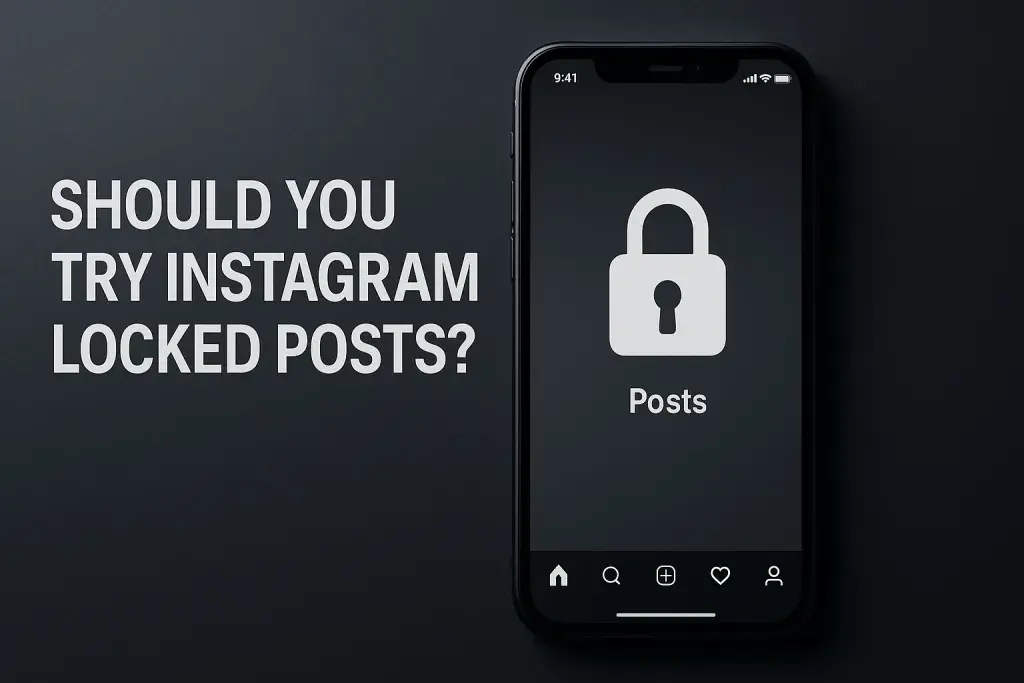
A blurred thumbnail with a small lock icon has started appearing more often in feeds, and it stops the scroll almost every time. That reaction is exactly why this feature exists. Curiosity is one of the strongest triggers on social media, and Instagram locked posts are built to exploit that instinct in a structured, permission-based way rather than through clickbait captions or misleading previews.
For anyone managing a personal profile or a business account, the appeal is obvious: a tool that rewards engagement with access. But the mechanics matter more than the surface-level appeal. Before adding this feature to a content strategy, it helps to understand exactly how it functions, what it asks of viewers, and where it can backfire. Some creators pair experiments like this with broader growth tactics, including services such as instagram boost free, to see whether a larger audience base changes how effectively a locked post performs.
This guide walks through the full picture: the definition, the setup process, the upside, the risk, how it stacks against other Instagram tools, where the feature currently stands, and how to decide if it fits your account. By the end, you should have a clear, practical answer rather than a vague impression.
Instagram Locked Posts: What Is It Exactly?
Instagram locked posts are pieces of content - photos, videos, or carousels - that remain partially hidden or blurred until a viewer performs a specific action to reveal them. Instead of simply posting content publicly or restricting it to a private account, the creator sets a condition: follow the account, leave a comment, share the post, or in some cases subscribe, and the content unlocks. It is a middle ground between fully public content and fully gated content.
This differs meaningfully from other privacy tools already built into Instagram. A private account restricts all content to approved followers with no exceptions. A Close Friends list limits visibility to a hand-picked group, usually for Stories. Paid subscriptions gate content behind a recurring fee. Locked posts, by contrast, are public-facing but interactive - anyone can see that the post exists, but only those who complete the required action can actually view it.
- Private account: blocks all content from non-approved followers, no interaction required.
- Close Friends list: limits Stories to a manually selected group.
- Paid subscription: unlocks exclusive content in exchange for a recurring payment.
- Locked posts: unlocks standard content through a specific free action, such as following or commenting.
Picture a photographer who posts a striking but blurred landscape shot, with a caption inviting viewers to follow the account to see the full image. That single mechanic - visible teaser, hidden reward - is the entire premise behind locked posts.
How Instagram Locked Posts Work
The mechanics behind locked posts are straightforward, but the details determine whether the feature feels clever or gimmicky. When a creator locks a post, Instagram displays a blurred or partially obscured version of the content in the feed. A label or button tells the viewer what action will unlock it. Once the viewer completes that action, the content becomes fully visible to them, and in most cases stays visible on future visits.
The viewer experience is designed to be quick. There is no separate app, no external link, and no waiting period. The unlock happens instantly after the required action is completed, which keeps friction low and encourages more people to follow through rather than abandoning the post out of frustration.
Setting Up a Locked Post Step-by-Step
- Open the Instagram app and begin creating a new post as usual, selecting the photo, video, or carousel you want to share.
- Before publishing, look for the content settings or advanced options menu where privacy and engagement settings are grouped.
- Select the option to lock the post, which reveals a menu of possible unlock conditions.
- Choose the specific action required to unlock the content - following the account, leaving a comment, or sharing the post, depending on what options are available for your account type.
- Review the preview to confirm how the blurred version will appear to non-qualifying viewers.
- Publish the post as normal; Instagram automatically applies the lock and unlock logic from that point forward.
Viewer Experience and Unlocking Actions
From the viewer's side, a locked post looks like any other post in the feed, except the image or video is blurred and accompanied by a short instruction. Tapping the post shows the required action clearly. Once completed, the content unlocks immediately, and the viewer can interact with it like any standard post - liking, commenting, or sharing.
- Follow to unlock: the most common condition, directly tied to audience growth.
- Comment to unlock: designed to boost engagement metrics and visibility.
- Share to unlock: extends reach by pushing the post into more feeds and Stories.
- Like to unlock: a lighter-touch option used less frequently but still available in some setups.
A fitness creator locking a workout demonstration behind a follow action is a practical example: viewers who want the routine have to follow first, which converts curiosity into a measurable audience gain.
Benefits of Using Instagram Locked Posts
The appeal of this feature centers on converting passive scrollers into active participants. Instead of hoping someone follows an account after enjoying a post, the creator makes that follow a precondition for viewing the content in the first place. This flips the usual order of engagement and can produce a noticeable short-term spike in interaction.
- Follower growth: locking valuable content behind a follow action gives undecided viewers a concrete reason to commit.
- Higher engagement rates: comment-to-unlock posts naturally generate more comments than standard posts.
- Sense of exclusivity: a blurred preview creates the impression that the content is special or limited, even when it is not gated behind payment.
- Content testing: creators can gauge genuine interest by seeing how many viewers complete the unlock action versus simply scrolling past.
Educators sharing a tutorial, artists revealing a finished piece, or small business owners announcing a product all have plausible reasons to experiment with this format. The shared thread is that the locked content has to feel worth the extra step, otherwise the benefit disappears quickly.
Potential Drawbacks and Risks
Locked posts carry a real risk of feeling manipulative if used carelessly. Audiences on Instagram are accustomed to open access, and asking for an action before revealing something ordinary can read as a cheap growth trick rather than a genuine value exchange. The backlash, when it happens, tends to show up as unfollows, sarcastic comments, or simply reduced trust in future posts.
There is also a practical concern: locking content that viewers consider essential, such as safety information, event details, or time-sensitive announcements, frustrates people who need immediate access. If the unlock instructions are unclear or the required action feels excessive, viewers often abandon the post entirely rather than complete the step.
- Overusing the feature: locking too many posts trains followers to expect friction, which reduces goodwill over time.
- Locking essential information: gating time-sensitive or critical content behind an action creates unnecessary frustration.
- Unclear instructions: if viewers do not immediately understand what unlocks the post, most will simply scroll away.
- Mismatched value: asking for a follow or comment in exchange for unremarkable content damages credibility.
A brand that locks nearly every post behind a follow requirement risks looking desperate rather than confident, and audiences tend to notice the pattern quickly.
Instagram Locked Posts vs. Other Engagement Features
Locked posts do not exist in isolation. Instagram already offers several tools built around controlling access and encouraging interaction, and understanding where locked posts fit relative to those tools clarifies when they are the right choice.
| Feature | Primary Purpose | Unlock/Access Method | Best For |
|---|---|---|---|
| Locked Posts | Convert curiosity into a specific action | Follow, comment, or share | Growth campaigns, teaser content |
| Close Friends | Share intimate or casual updates | Manual selection by the creator | Personal updates, trusted circles |
| Private Account | Restrict all content by default | Approval of follow requests | Personal privacy, non-public profiles |
| Paid Subscriptions | Monetize exclusive content | Recurring payment | Long-term monetization strategies |
The key distinction is intent. Locked posts are built for short-term conversion - getting someone to follow, comment, or share right now - while the other tools serve ongoing privacy or monetization goals. Choosing the right tool depends on whether the objective is immediate action or long-term relationship management with an audience.
Latest Updates and Trends Around Locked Posts
Instagram locked posts latest developments point toward gradual, uneven availability rather than a single global rollout. Features tied to engagement mechanics like this typically appear first for a subset of accounts, often creators or business profiles, before expanding more broadly. Anyone curious about instagram locked posts latest changes should check the app's own content settings directly, since availability and configuration options can shift without much external notice.
- Gradual expansion to more account types beyond early testers.
- Refinements to the unlock options, with some accounts seeing more conditions than others.
- Increased adoption among creators focused on rapid follower growth campaigns.
Because Instagram frequently adjusts how features are presented and which accounts can access them, treating any current description as permanent would be a mistake. The safest approach is to check in-app settings periodically rather than relying on outdated screenshots or secondhand descriptions.
Should You Try It? Decision Guide
Deciding whether locked posts belong in your strategy comes down to matching the feature to your specific goals and audience tolerance. A creator building an audience from scratch has different incentives than an established brand with a loyal, trust-based following.
| User Type | Recommended? | Reason |
|---|---|---|
| New creators building an audience | Yes | Locked posts directly incentivize follows, which matters most in early growth stages. |
| Established brands with loyal followers | Maybe | Risk of appearing gimmicky outweighs the marginal engagement gain unless used sparingly. |
| Casual personal accounts | No | The feature adds friction without a clear growth or monetization objective. |
| Small businesses testing promotions | Yes | Useful for time-limited campaigns where a follow or comment has direct marketing value. |
Practical guidance matters more than blanket rules here. Test the feature on a single post before committing to it as a regular tactic. Watch how many viewers complete the unlock action versus how many simply scroll past, and pay attention to comments or unfollows that suggest frustration rather than genuine interest. A creator who locks one high-value tutorial and sees a clear follower increase has evidence the tactic works for their audience; a creator who locks routine content and sees flat results has learned the opposite just as clearly.
Questions and Answers
Is the locked posts feature available to all Instagram users?
Availability varies and tends to expand gradually rather than launching for every account simultaneously. The most reliable way to check is looking directly in your post creation settings, since Instagram often tests features with specific account types before wider release.
Can I unlock a post I've already locked?
Yes, creators typically retain the ability to adjust or remove lock settings after publishing through the post's edit or settings menu. Removing the lock usually makes the content visible to everyone immediately, regardless of whether they completed the original unlock action.
Do locked posts affect my Instagram algorithm ranking?
There is no confirmed evidence that locking a post directly changes how the algorithm ranks it. Engagement generated through unlock actions, such as comments or shares, can indirectly influence visibility the same way any other engagement would.
What's the difference between locked posts and paid subscriptions?
Locked posts require a free action like following or commenting, while paid subscriptions require an ongoing monetary payment for exclusive access. The two serve different goals: locked posts drive short-term engagement, while subscriptions support long-term monetization.
Can businesses use locked posts for marketing campaigns?
Yes, businesses often use locked posts for limited-time promotions, product reveals, or follower drives tied to a specific campaign. The tactic works best when the locked content has clear, immediate value tied to the requested action.
Will followers be annoyed by locked content?
Some will, particularly if the feature is used frequently or applied to content that feels ordinary. Reserving locked posts for genuinely valuable or exclusive content reduces the risk of frustration and keeps the tactic feeling like a fair exchange rather than a forced obstacle.